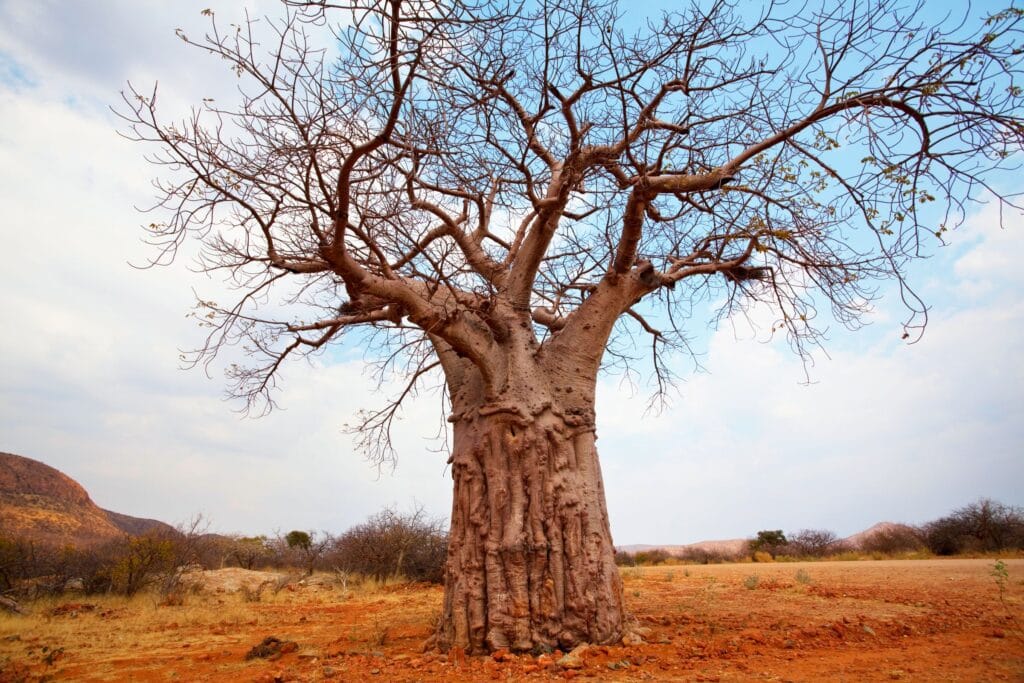
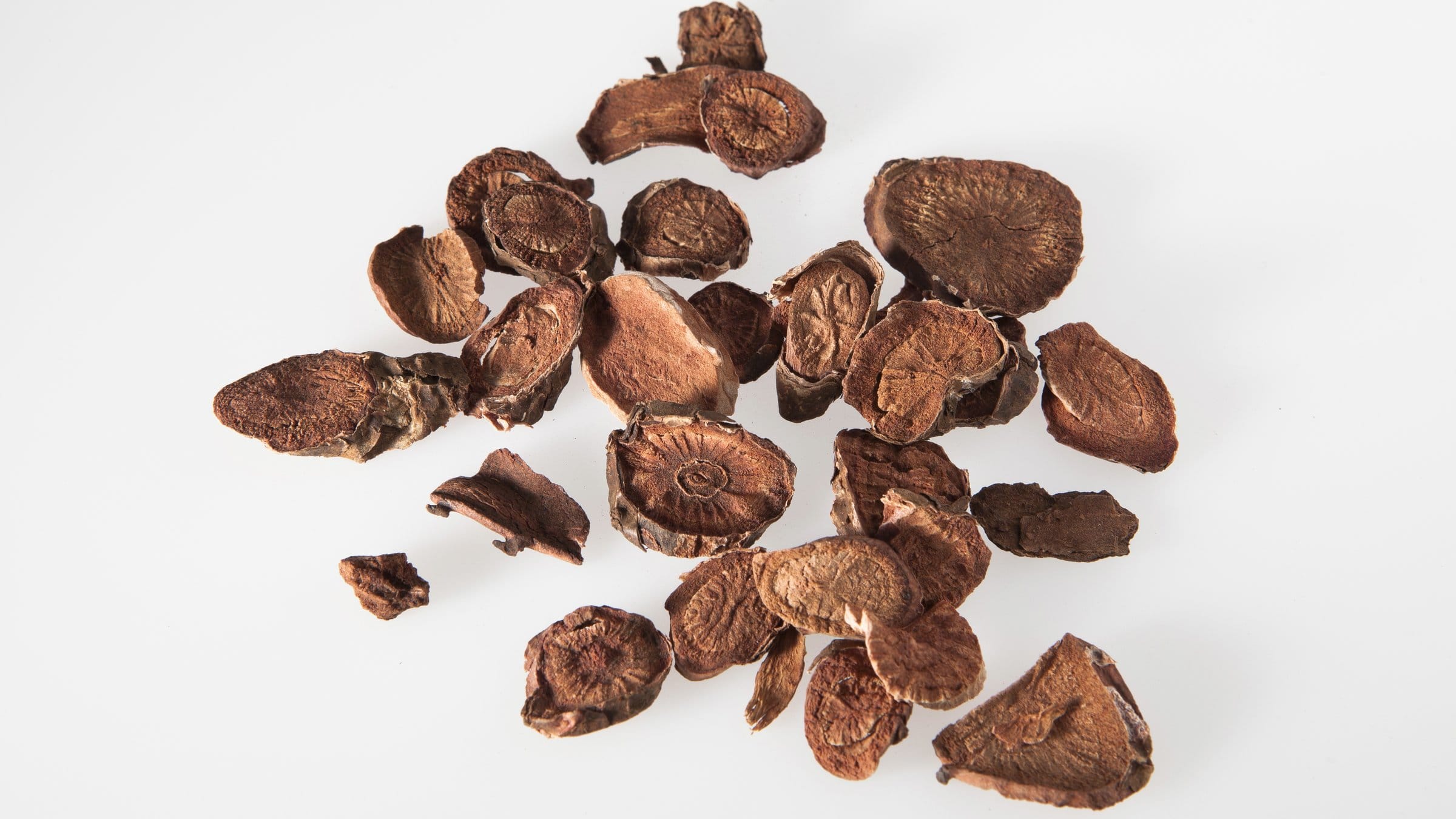
Pelargonium sidoides is a rosette-forming perennial of the family Geraniaceae, native to South Africa and Lesotho. It is a pelargonium rather than a true geranium, though the two genera have been confused since the eighteenth century. Its dark, tuberous roots have made it one of the most significant plants in South Africa’s botanical export trade.
Afriplex produces a standardised extract of the root, Afriplex® PelargoniumS70. Turning a wild-collected root into a formulation-ready pharmaceutical material is the clearest illustration we have of what standardisation involves.
From plant material to defined composition
Botanical raw material varies. Growing conditions, harvest timing, plant age and post-harvest handling all shift the chemical profile of the same species, and for a formulator that variability is the central problem, because material that differs between deliveries cannot be dosed consistently or registered reliably. Standardisation answers it by defining the extract against measurable composition instead of against a botanical name.
Pelargonium has an authoritative benchmark to be defined against. The European Pharmacopoeia carries a monograph for Pelargonium root, Pelargonii radix, monograph 2264, which sets requirements for botanical identity and chromatographic identification, an assay for tannins, and limits on foreign matter, loss on drying and total ash. PelargoniumS70 is produced and tested to European Pharmacopoeia specification, so every batch is characterised analytically, released against defined acceptance criteria and shipped with a certificate of analysis.
The chemistry being controlled
The root’s profile is dominated by an unusually rich fraction of proanthocyanidins, polymeric flavan-3-ols built largely from gallocatechin and epigallocatechin units. Alongside these sit a signature group of highly oxygenated coumarins, at least eight of them distinct, and a range of phenolic acid derivatives.
The coumarin fraction supplies the characteristic markers PelargoniumS70 is defined by, umckalin and scopoletin. Umckalin carries the most commercial weight, and one nuance explains why. The pharmacopoeial monograph admits root of P. sidoides and of its close relative P. reniforme, so compliance with the monograph alone does not establish which of the two species was extracted. PelargoniumS70 is additionally specified to P. sidoides, using umckalin as the discriminating marker, since it is characteristic of P. sidoides and present at most in trace quantities in P. reniforme. That is a tighter standard than the pharmacopoeia requires, and it lets a certificate of analysis state with evidence which species went into the extractor.
Extraction and analytical control
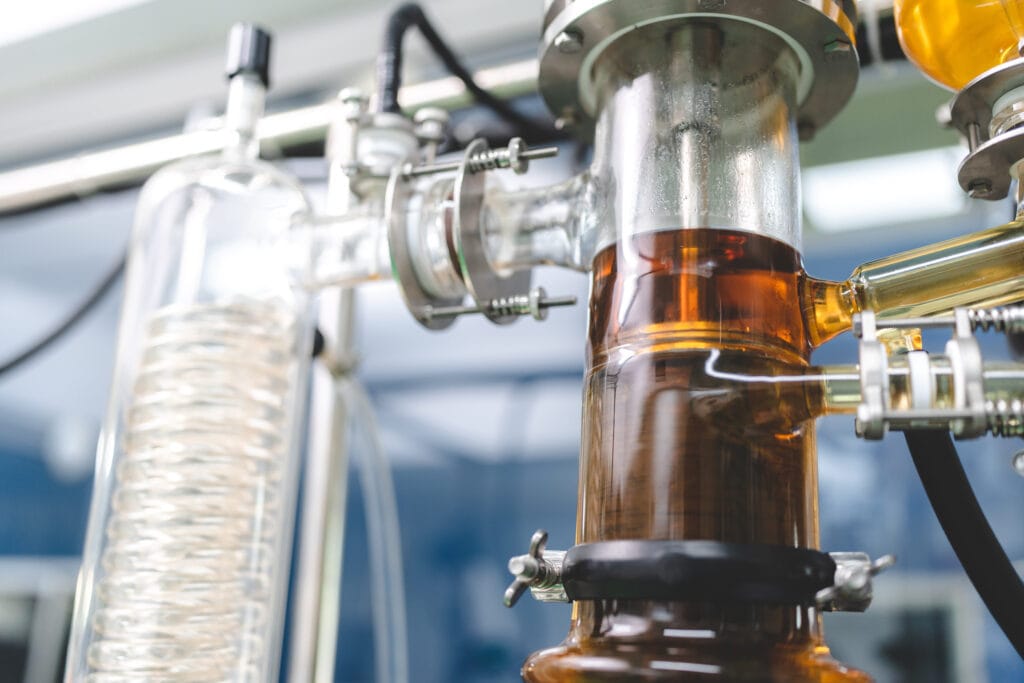
Which solvent system, at which ratio, under which conditions, preserves the constituent profile of Pelargonium root without degrading it? Those questions are worked out alongside the analytical methods rather than ahead of them, since a process that cannot be measured cannot be controlled. Method development, validation and transfer are carried out in our SAHPRA-licensed laboratory, which also performs release and stability testing on the finished extract, so the data that defines the material and the data that releases it come from one accountable quality system.
Two parameters travel with any hydroalcoholic botanical extract and belong in the technical conversation early. The drug-to-extract ratio states how much raw material was used to produce a given quantity of extract. The extraction solvent and its strength determine which constituent classes are carried through, and in what proportion. Extracts of the same species produced at different ratios in different solvents are not interchangeable, and a customer scoping a formulation should establish both figures before comparing suppliers on price.
Sustainable sourcing, lawful access
P. sidoides root is traditionally wild-collected, principally in the Eastern Cape and the Lesotho highlands, and international demand has made harvesting pressure a documented concern. Sourcing the species responsibly is a regulatory as well as an ethical undertaking.
In South Africa, commercial use of indigenous biological resources falls under the National Environmental Management: Biodiversity Act and its bioprospecting, access and benefit-sharing permit system, which is the country’s implementation of the international Nagoya framework. Benefit-sharing arrangements with communities and knowledge holders form part of that system.
Cultivation under good agricultural practice increasingly de-risks supply alongside compliant wild collection, and Afriplex’s cultivation programme includes Pelargonium for that reason. For European and North American buyers, documented access and benefit-sharing compliance has become a standard question in supplier qualification.
Traditional use and regulatory position
P. sidoides has a long and well-documented history of traditional use in southern Africa, and that history is part of why the species attracted international scientific attention.
It is important to be exact about what this means commercially. Traditional use is an ethnobotanical fact. It does not demonstrate efficacy and it establishes no therapeutic effect for any product.
The regulatory position reflects the species’ standing while illustrating how classification works. In the European Union, Pelargonium root preparations are the subject of a herbal monograph adopted through the European Medicines Agency’s committee system on a traditional-use basis, which is a statement about the European regulatory framework and not about any Afriplex material.
Whether a given finished product is a medicine, a complementary medicine, a supplement or something else depends on the jurisdiction, on the claim being made and on the dosage form. Afriplex supplies the standardised ingredient and its supporting documentation. Product classification and claim substantiation remain the responsibility of the party placing the finished product on the market, and our regulatory affairs team supports customers through that process.
Formulation applications and documentation
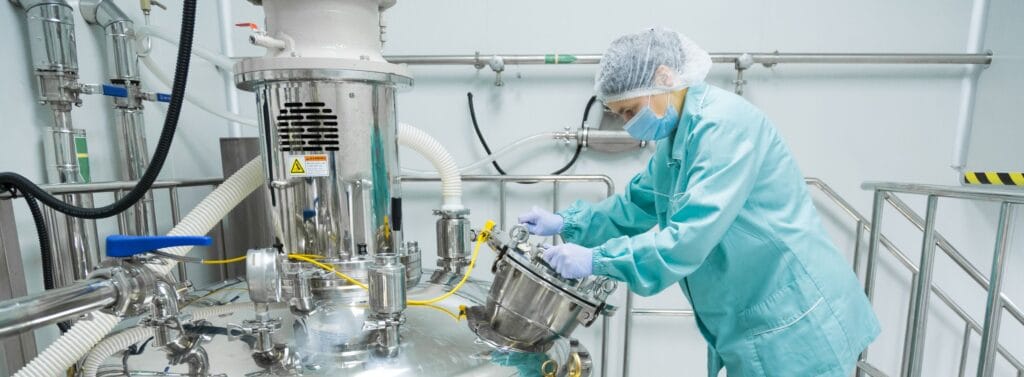
PelargoniumS70 is supplied as a material suitable for liquid and solid dosage forms. Where an application calls for a different physical format, our spray drying capability converts the extract to a powder, and our GMP manufacturing operation can take a formulation from prototype through to commercial supply inside one organisation.
The technical pack available to qualified partners includes specification sheets, certificates of analysis, stability data and analytical method summaries. Further detail on the ingredient is available on the Afriplex® PelargoniumS70 product page.
This article describes a botanical ingredient supplied to businesses for formulation. It is not directed at consumers, it does not describe a finished product, and nothing in it is a therapeutic claim or medical advice. Regulatory classification varies by country.