
KannaSpectrum™

/ KannaSpectrum™
Unlocking KannaSpectrum™ — Serenity Rooted in Tradition, Refined by Science
Standardised KannaSpectrum™ with a defined mesembrine-type alkaloid profile, developed for use in nutraceutical and functional product formulations.
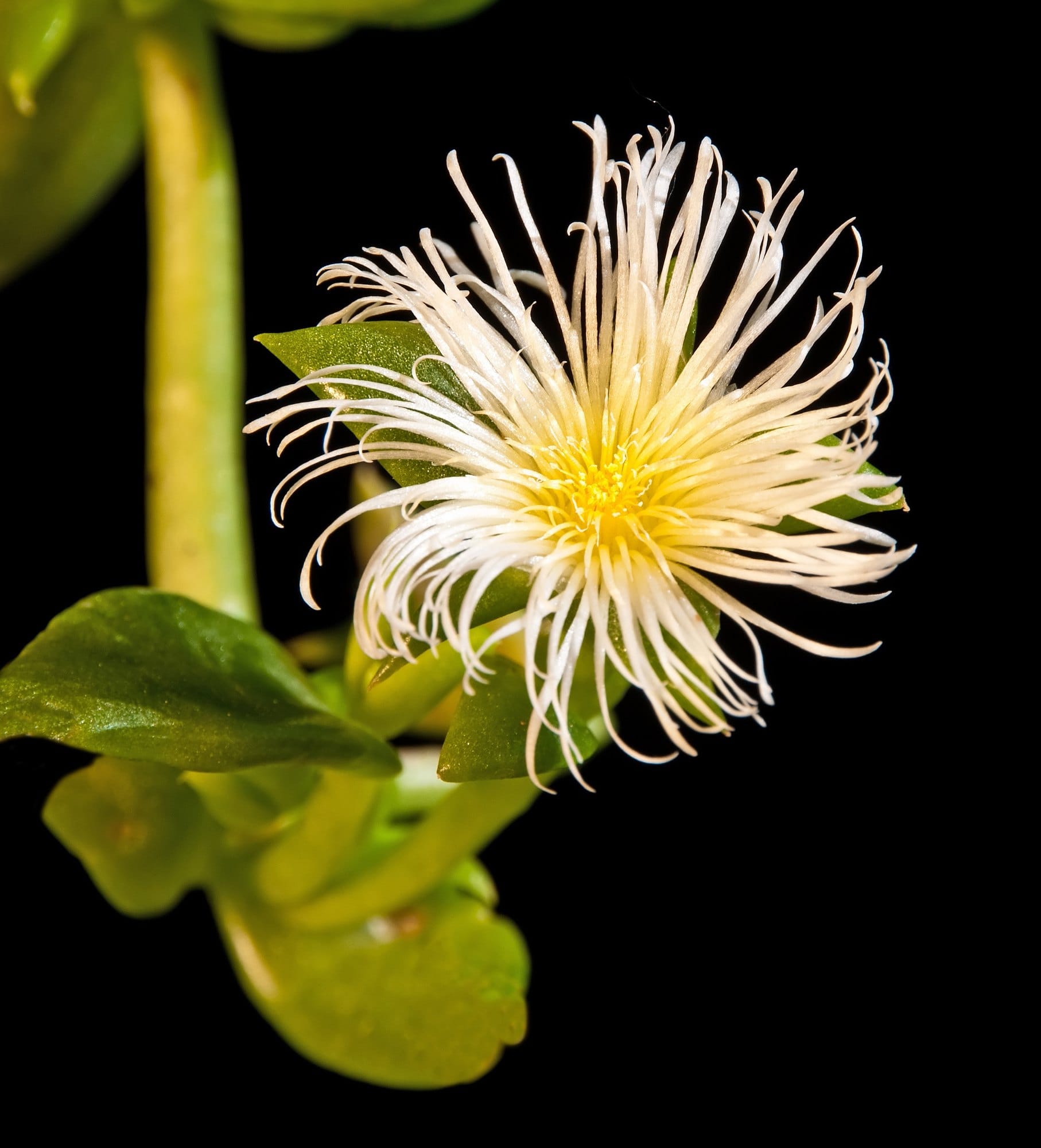
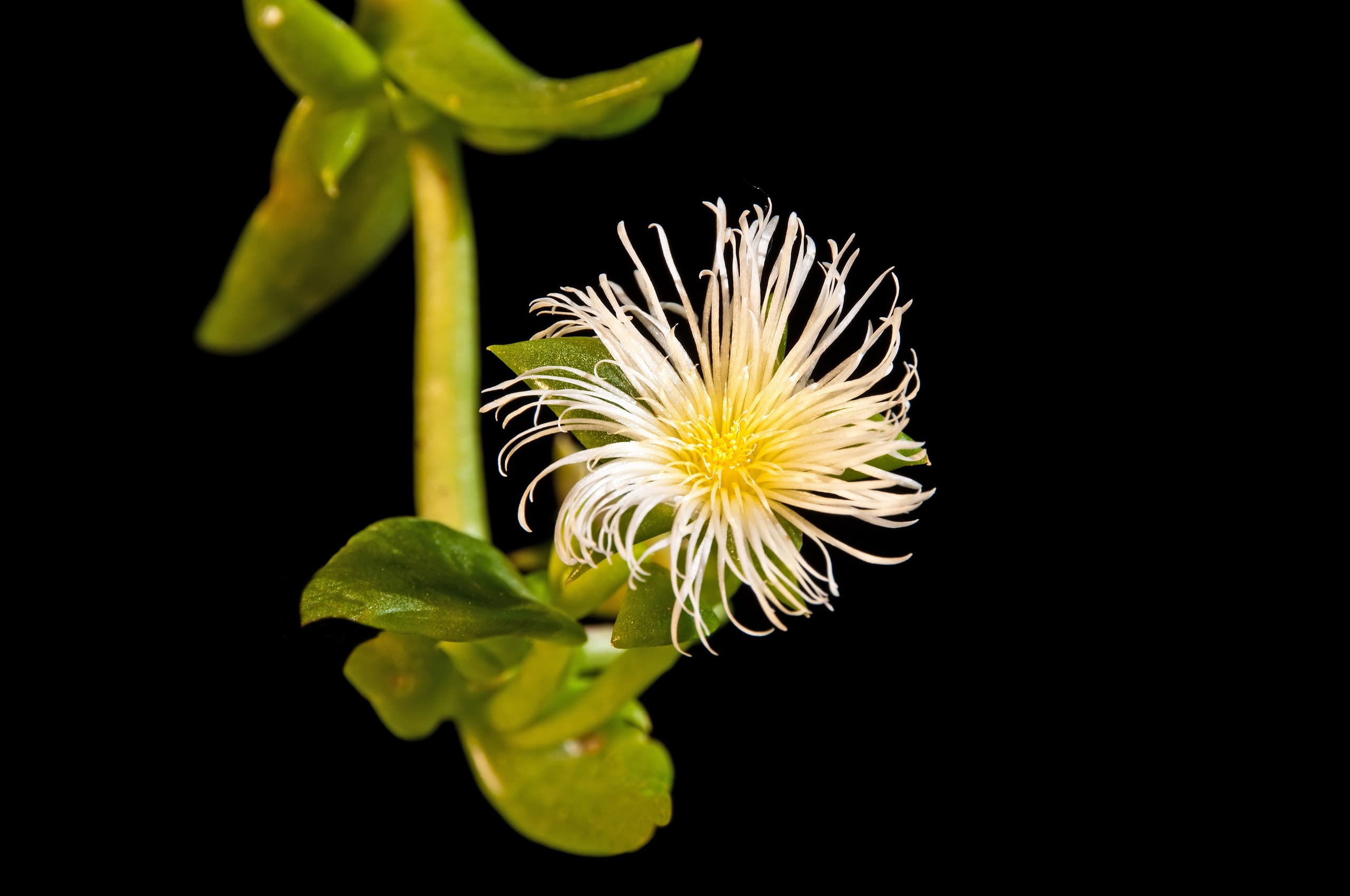
Sceletium tortuosum (Kanna / Kougoed)
- Standardised Extract
- Mesembrine Alkaloids
- B2B Ingredient Supply
No claims are made to diagnose, treat, cure, or prevent any disease.
Overview
Tradition
Long-standing indigenous South African botanical use.
Science
Investigated for its effects on neurochemical pathways associated with stress and mood regulation.
Standardisation
Developed to deliver a reproducible mesembrine-type alkaloid profile.
Quality & Standardisation
Reliable, Consistent Extract You Can Trust
Our KannaSpectrum™ extract is developed to deliver a reproducible mesembrine-type alkaloid profile for nutraceutical and functional product applications. Manufactured under controlled conditions, each batch ensures quality, consistency, and dependable supply.
Standardised Profile
Reproducible mesembrine and mesembrenone alkaloid levels.
GMP-Aligned Manufacturing
Produced using controlled pharmaceutical-grade processes.
Reliable B2B Supply
Consistent quality with scalable ingredient availability.

Intended Use
Intended Use and Applications
KannaSpectrum™ is suitable for use across a range of nutraceutical and functional product formats.
Food Supplements & Nutraceuticals
Suitable for supplementation formats designed for daily wellness support.
Functional Products
Developed for integration into functional wellness product concepts.
Gummies, Powders & Oral Delivery Formats
Appropriate for modern oral formats including gummies and powdered blends.
About
Indigenous Heritage and Traditional Use
A South African indigenous botanical with a long history of traditional use, developed into a standardised extract for modern nutraceutical applications.
Sceletium tortuosum, commonly known as Kanna or Kougoed, is an indigenous South African plant with a long history of traditional use by the Khoi and San peoples of Southern Africa.
Traditionally, the plant was prepared by chewing, brewing, or fermenting and was used to support endurance during long journeys, help manage hunger and thirst, relieve discomfort, and promote emotional calm during periods of physical or psychological stress.
This traditional knowledge forms the foundation for modern scientific interest in the plant and its functional properties.
Scientific Research and Phytochemical Investigation
Sceletium tortuosum has attracted growing scientific interest as researchers explore the mechanisms underlying its traditional use.
Phytochemical studies have identified mesembrine-type alkaloids believed to contribute to the plant’s functional properties. Since around 2009, laboratory and exploratory human studies have investigated the potential role of these compounds in supporting emotional wellbeing, stress response, and cognitive calm.
Scientific Foundation and Quality
Research into Sceletium tortuosum has identified mesembrine-type alkaloids associated with its functional properties. Afriplex® applies controlled processing and quality management to deliver a consistent and standardised extract suitable for nutraceutical applications.
Phytochemical Research
Mesembrine-type alkaloids identified and studied.
Standardised Profile
Defined and reproducible alkaloid composition.
Controlled Manufacturing
Quality-controlled processing ensures consistency.
Active Ingredients
Alkaloid Profile and Functional Rationale
KannaSpectrum™ is standardised for key mesembrine-type alkaloids, selected for a balanced functional profile.
KannaSpectrum™ is standardised primarily for key mesembrine-type alkaloids:
Mesembrenone
Explored in scientific literature for its role in stress-related neurochemical pathways.
Mesembrine
Studied for its interaction with neurotransmitter systems involved in mood and emotional regulation.
The combined presence of these alkaloids contributes to a balanced functional profile for nutraceutical applications.
Mesembrine and related compounds are recognised as serotonin re-uptake inhibitors. The accompanying figure illustrates mesembrine’s inhibition of serotonin (5-HT) uptake in relation to monoamine uptake.
Afriplex® has specifically focused on the mesembrine and mesembrenone alkaloids for standardisation and reproducibility.
Figure: Mesembrine inhibition of serotonin (5-HT) uptake vs monoamine uptake.
Adapted from Gericke N, Viljoen AM. Sceletium—a review update. J Ethnopharmacol 2008;119(3):653–663, with permission from Elsevier.
Alkaloid Structures
KannaSpectrum™ is standardised for key mesembrine-type alkaloids. The structures below represent mesembrenone and mesembrine.
Mesembrenone structure
Mesembrine structure
References available upon request.
Key references include Gericke & Viljoen (2008); Smith et al. (1998); Makolo et al. (2019).
Functional Rationale
KannaSpectrum™ is developed to support applications related to emotional balance, stress response, and cognitive calm.
Mesembrenone is recognised as a key contributor to serotonin re-uptake inhibition, while mesembrine has been investigated for its role in supporting central nervous system function and overall functional wellbeing.
Reference: Makolo, F. et al. (2019).
No claims are made to diagnose, treat, cure, or prevent any disease.
Clinical Research
Overview of Research Landscape
An overview of scientific studies investigating the alkaloid profile, neurochemical activity, and functional wellbeing applications of Sceletium tortuosum.
Scientific research on Sceletium tortuosum has primarily focused on:
Alkaloid identification & standardisation
Profiling key mesembrine-type alkaloids and ensuring consistent extract composition.
Neurochemical interactions
Investigations into pathways associated with mood regulation and stress response.
Behavioural & neurophysiological outcomes
Exploratory studies evaluating functional and neurological responses.
While many studies are preclinical or exploratory, collectively they provide a foundational scientific rationale supporting the traditional use of Sceletium for emotional and mental wellbeing.
Preclinical and Exploratory Studies
Preclinical Study
Mesembrine-Type Alkaloids and Mood-Related Pathways
A preclinical study by Schell (2014) investigated behavioural effects of mesembrine-type alkaloids in BALB/c mice, comparing extracts with varying alkaloid composition to a reference pharmaceutical compound.
The study explored behavioural markers commonly used in mood-related research models and reported activity comparable to the reference substance within the experimental framework. While not indicative of clinical outcomes, the findings contributed to early scientific interest in the neuroactive properties of these alkaloids.
Reference: Schell (2014).
Review & Investigations
Pharmacological and Neurophysiological Investigations
The review “A Chewable Cure ‘Kanna’: Biological and Pharmaceutical Properties of Sceletium tortuosum” (Manganyi et al., 2021) summarises multiple in-vitro, in-vivo, and limited human studies evaluating the plant’s pharmacological characteristics.
- Experimental models related to mood and stress response have been explored.
- EEG and related neurophysiological markers suggest potential influence on patterns associated with relaxation and sensory processing.
- Observed effects support continued investigation into calmness and emotional balance.
Importantly, these findings are exploratory and further controlled human studies are required to substantiate functional outcomes.
Reference: Manganyi et al. (2021).
Human Observational and Pilot Studies
Literature summary (Gericke & Viljoen, 2008)
An updated review, “Sceletium — A Review Update” (Gericke & Viljoen, 2008), compiles historical and contemporary data on Sceletium research. Among the cited work is a small observational human case series (Gericke, 2001), in which Sceletium preparations were administered under supervised conditions.
Participants were observed for changes in mood, anxiety, and daily functioning. The review reports positive trends in subjective wellbeing and emotional state, while clearly acknowledging the limited sample size and exploratory nature of the data.
These early human observations informed subsequent research directions but are not intended to support therapeutic claims.
References: Gericke (2001); Gericke & Viljoen (2008).
Summary of Scientific Interpretation
Collectively, the available scientific literature suggests that Sceletium tortuosum contains bioactive alkaloids that interact with neurochemical pathways relevant to stress perception, mood regulation, and emotional balance.
While the evidence base includes preclinical, mechanistic, and limited human data, it provides a credible foundation for positioning Sceletium as a botanical ingredient for wellbeing support, rather than as a medicinal or therapeutic agent.
No claims are made to diagnose, treat, cure, or prevent any disease.
Reference Library
Reference Library
A curated collection of published studies and scientific literature supporting research on Sceletium tortuosum and its key alkaloids.
- Makolo, F., Viljoen, A., & Veale, C. G. L. (2019). Mesembrine: The archetypal psycho-active Sceletium alkaloid. Phytochemistry, 166, 112061. doi.org/10.1016/j.phytochem.2019.112061
- Smith, M. T., Field, C., Crouch, N. R., & Hirst, M. (1998). The distribution of mesembrine alkaloids in selected taxa of the Mesembryanthemaceae and their modification in the Sceletium derived ‘kougoed’. Pharmaceutical Biology, 36(3), 173–179. doi.org/10.1076/phbi.36.3.173.6350
- Gaffney, C. D. (2006). A study of Mesembryanthemaceae alkaloids [Master’s dissertation (MSc Chemistry), University of Johannesburg]. hdl.handle.net/10210/349
- Schell, R. (2014). Sceletium tortuosum and mesembrine: A potential alternative treatment for depression [Senior thesis, Scripps College]. Scripps Senior Theses, 375. scholarship.claremont.edu/scripps_theses/375
- Manganyi, M. C., Bezuidenhout, C. C., Regnier, T., & Ateba, C. N. (2021). A chewable cure ‘kanna’: Biological and pharmaceutical properties of Sceletium tortuosum. Molecules, 26(9), 2557. doi.org/10.3390/molecules26092557
- Gericke, N., & Viljoen, A. M. (2008). Sceletium—a review update. Journal of Ethnopharmacology, 119(3), 653–663. doi.org/10.1016/j.jep.2008.07.043
- Gericke, N. (2001). Clinical application of selected South African medicinal plants. Australian Journal of Medical Herbalism, 13(1), 3–17 (as cited in Gericke & Viljoen, 2008).
/ Contact
Ready to Discuss Your Formulation?
Contact our team to request technical information, specifications, or partnership details for KannaSpectrum™.