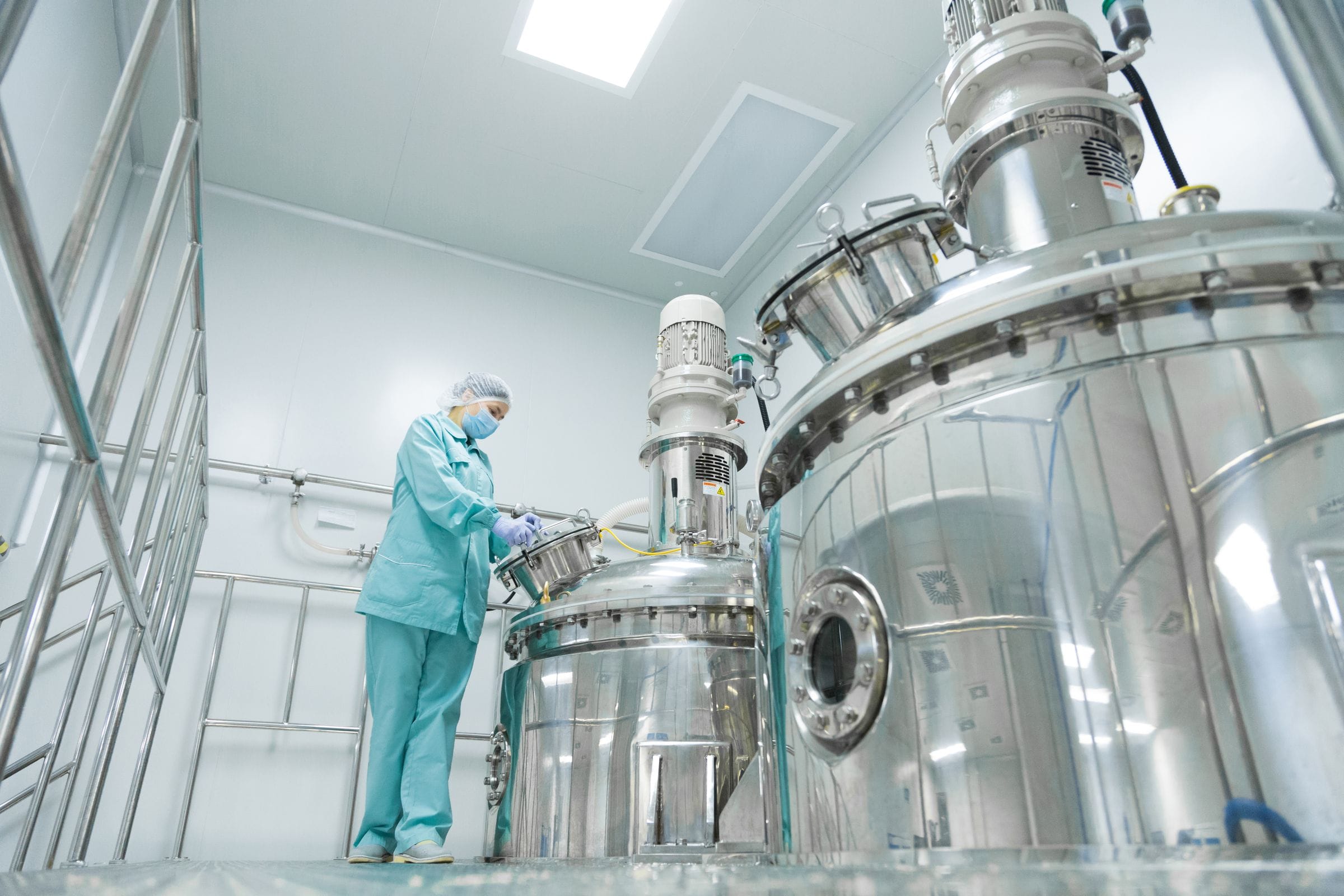
Afriplex has been granted the first cannabis licence issued by the South African Health Products Regulatory Authority (SAHPRA). A lawful, quality-assured value chain running from cultivation through extraction to tested product is now possible on home soil.
What the licence permits, and what it demands
Working with cannabis for medicinal and research purposes requires a licence under section 22C of the Medicines and Related Substances Act. The obligations attached to it are pharmaceutical rather than agricultural, and they are substantial.
A licence holder has to demonstrate controlled conditions and documented practice. Physical security is specified in detail, covering intruder-resistant construction, access control and camera coverage, because the material is a scheduled substance at every stage. Every plant and every kilogram must be accounted for through a chain of custody that will withstand inspection, and records are retained for years. Movement of material into and out of the country needs separate permits, and South Africa reports its activity internationally under the treaty framework governing controlled substances.
Preparing for all of that is why applications of this kind take as long as they do.
Why controlled conditions matter
Controlled environment counts for more in medicinal cannabis than in most crops. Light, temperature, humidity and nutrition all influence cannabinoid and terpene expression, so the same genetics grown under different conditions can produce a measurably different crop. Material that has to meet a specification needs conditions that can be held steady, and records that show they were.
Seven years of preparation
Licences of this kind are won in the years before the application is filed. Afriplex spent seven years preparing for this one, working on the standards this industry would eventually be held to and aligning cultivation practice, quality documentation and analytical control with South African requirements and with the international frameworks that govern medicinal cannabis trade.
Danie Nel, director at Afriplex, said the company was “extremely honoured to be associated with the first Cannabis Licence from SAHPRA”, and that the teams “have worked tirelessly over the last seven years to ensure we meet not only local standards but also the legislative requirements and quality standards of international markets”.
Where Afriplex fits
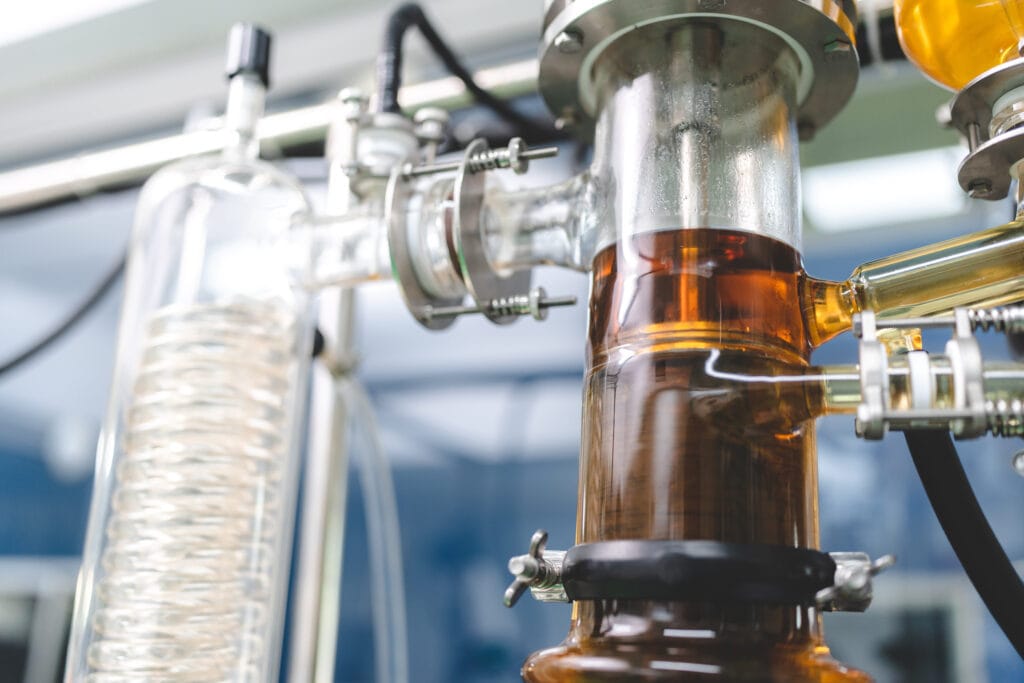
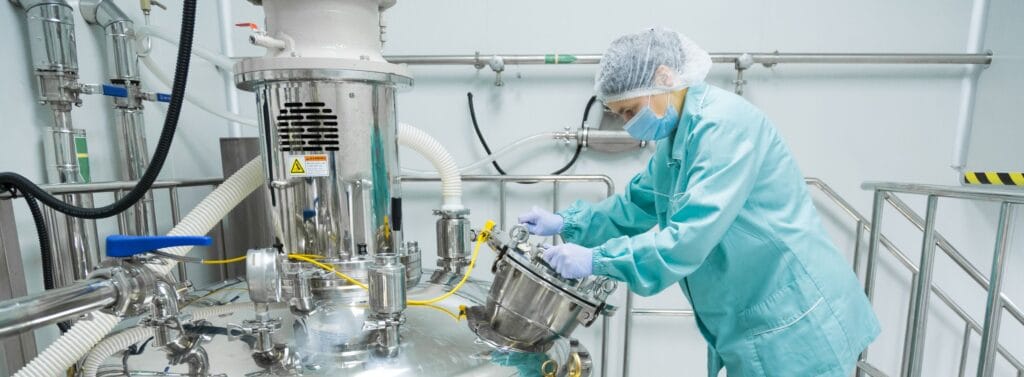
Cultivation is the first link in a longer chain. Afriplex’s role covers what turns a licensed harvest into a defined pharmaceutical material: extraction, standardisation, formulation development, regulatory support and analytical testing in our dedicated cannabis laboratory.
That work is what allows a licensed crop to become a product with a specification. Cannabinoid content and ratio are measured and held to defined limits. Contaminants are tested against limits set by the destination pharmacopoeia. Stability data establishes how long the material holds its specification and under what storage conditions. What comes out of the process is standardised material, formulations developed on evidence, and defined dosage formats supplied through the lawful channels the Medicines Act provides.
South Africa now takes part in the international medicinal cannabis trade from a licensed footing, with export ambitions towards Canada, the United States, Europe and African markets.
the sector has matured considerably since this milestone. SAHPRA has since licensed many further operators, and guidance for cannabis cultivation and manufacture has been consolidated into a dedicated regulatory guideline. The Cannabis for Private Purposes Act 7 of 2024, once in operation, will govern private adult use as a separate matter; pending its commencement, private adult use rests on the 2018 Constitutional Court ruling. Cannabis cultivated and processed for medicinal purposes remains regulated under the Medicines Act licensing regime described here.
This article records an industry milestone and describes licensing and manufacturing capability. It is not directed at consumers, it does not offer cannabis or cannabis-containing products to the public, and nothing in it is a therapeutic claim or medical advice. Cannabis-containing medicines are scheduled substances in South Africa.