After reading this you will know what Monsonia actually is, why botanical identity is the first thing to buy, and whether a herb this little known has a realistic place in a range.
Monsonia is a small southern African herb traded as special tea
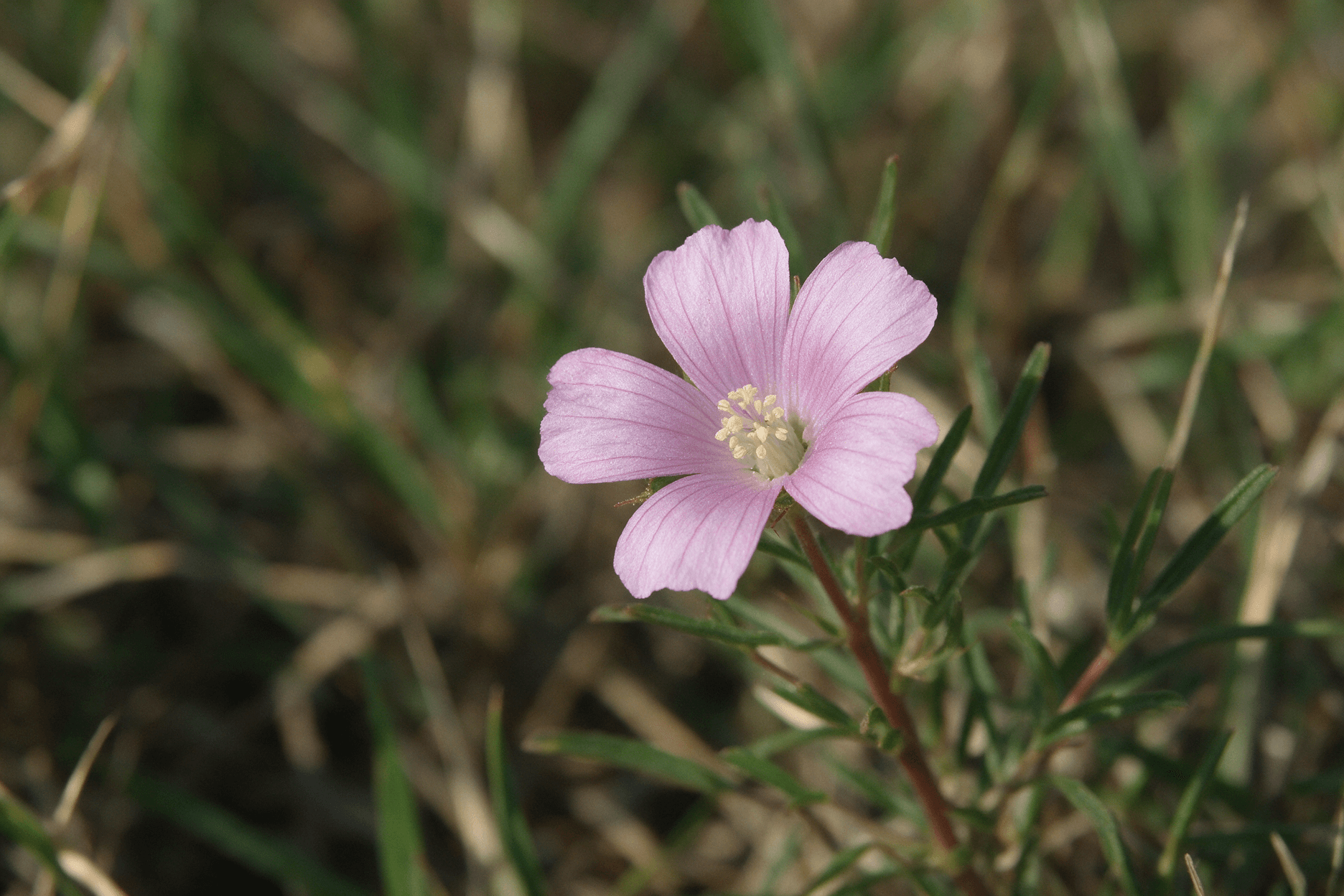
Monsonia is a genus in the Geraniaceae, and Monsonia burkeana is the species in southern African medicinal trade, known as special tea in the northern provinces. The whole herb is used rather than a single plant part.
It grows across the summer-rainfall grasslands and savanna of the region and has a documented history of traditional use as an infusion. Outside southern Africa almost nobody has heard of it.
Geraniaceae is also the family of Pelargonium, a real botanical connection worth knowing. It is not a chemical or regulatory one. The constituents and monograph position of Pelargonium sidoides root belong to that species alone.
The shelf is origin-led herbal tea, and unfamiliarity is the whole problem
Monsonia sits in origin-led herbal infusions, next to rooibos, honeybush and other regional botanicals. That shelf rewards a genuine origin and a name a shopper can repeat, and punishes anything needing a paragraph of explanation.
Rooibos took decades to become a name outside South Africa. A brand launching Monsonia pays the cost of introducing a plant, not just a product, and that cost lands in listing conversations. It is worth doing only where origin is already central to the brand.
The formats that suit it let the herb be tasted rather than swallowed
Loose leaf tea, tea bags and infusion blends are the natural home. The format matches how the herb has always been consumed, and a drinker meets it directly rather than through a label.
The powder extract exists to move it into formats a dried herb cannot serve. Sachets, instant beverages and ready-to-drink applications are realistic, and gummies and lozenges are possible. Capsules and tablets are hardest to justify, because there is no claim for the pack and a capsule leaves a consumer with an unfamiliar name and no reason to buy twice.
The formulation problems begin with a whole-herb starting material
The traded article is a mixture of leaf, stem and, depending on timing, flower and fruit. The proportions shift with season and with whoever collected it, so batch variation is the first problem to design around.
Two figures control that variation better than any assay. Set a maximum for woody stem and a limit for foreign organic matter in the purchase specification. Where plant part is not fixed on paper, the buyer takes whatever the collector found.
Consistency has to be held without a marker, since no compound is established in the literature as a standardisation handle. A fingerprint against a retained reference is the practical control.
Sensory work should start early. The botanical is unfamiliar to tasting panels outside southern Africa, and a herbal tea positioning lives or dies on the cup. Run it before the brand work, since it may change the blend or the decision to proceed.
What may be said on pack is limited to identity, origin and process
No market offers a claim route for this plant. The traditional-use record is a statement about history, and it cannot be converted into a statement about effect.
In the EU a nutrition or health claim may only be made if it appears on the Union list authorised under Regulation (EC) No 1924/2006, and nothing is authorised here. Before that, the novel food gate applies, because a botanical without a documented history of significant consumption in the EU before 15 May 1997 needs authorisation.
The United States has its own version of that gate. A botanical not marketed there as a dietary ingredient before 15 October 1994 needs a New Dietary Ingredient notification to the FDA, with safety evidence, before sale. In South Africa the claim decides the category.
What is left is still usable. Species, plant part, region of origin, harvest method, process and sensory description are all fair on pack. For an origin-led tea brand that is most of the story.
The trade is informal, so botanical identity is the first control
Monsonia reaches the market largely through informal channels, which makes species confirmation the most important thing a buyer pays for. The risk is not sophisticated adulteration. It is ordinary misidentification, and the habit of the local herbal tea trade of applying one vernacular name to several unrelated plants.
Special tea is a trade name before it is a botanical one. A delivery note carrying only that name tells a receiving laboratory nothing, and there is no compendial identity method to fall back on.
So identity has to be built. Ask for a reference sample tied to a voucher specimen in a recognised herbarium, a description of the milled herb, a chromatographic fingerprint held as the identity standard, and DNA barcoding where ground material will not settle it. Ask about heavy metals and microbiological limits, because a herb dried in the open carries both risks. And ask where and when it was collected, because a lot that cannot be placed in a season and an area cannot be traced.
Questions brand owners ask
It is in the pelargonium family. Does that help me?
Only as botany. The chemistry, clinical literature and regulatory standing associated with Pelargonium sidoides belong to that species, and borrowing any of it for Monsonia would not survive a technical review.
Is there research I can build a position on?
No. The published record is thin, largely ethnobotanical survey work with a few in vitro antioxidant and antimicrobial studies, and there is no clinical literature. In vitro endpoints describe what an extract does in a well, not what a product does in a person.
Then why would anyone launch it?
Because origin, rarity and identity control are a real proposition for the right brand. A southern African herb with a documented chain and a confirmed species is a credible addition to an origin-led range, though not a flagship for a functional product.
What does a supplier have to show me before the first order?
Species confirmation and the method used, plant part and stem limits, contaminant results on the lot, a retained reference sample and a collection record. Without all five, the rest cannot be relied on.
What has to happen before formulation?
Identity work, sensory characterisation and the market-by-market notification position all come first, and each takes more work than it would for a familiar botanical.
How Afriplex supplies Monsonia
We supply Monsonia PE as a NOVEL-T™ powder extract, with the species named on the specification and every batch released against a certificate of analysis. Extraction and finished dosage form manufacture, including teas, sachets and powders, sit in one licensed organisation in Paarl, Western Cape. Specifications are available on request.
This article describes a botanical ingredient supplied to businesses for formulation. It is not directed at consumers, it does not describe a finished product, and nothing in it is a therapeutic claim or medical advice. Regulatory classification varies by country.