
After reading this you will know why African ginger is a sourcing decision before it is a formulation decision, what an ethical supply chain has to be able to show, and what the rhizome does to a lozenge or a syrup once you have them.
African ginger is a southern African rhizome and it is assessed Critically Endangered
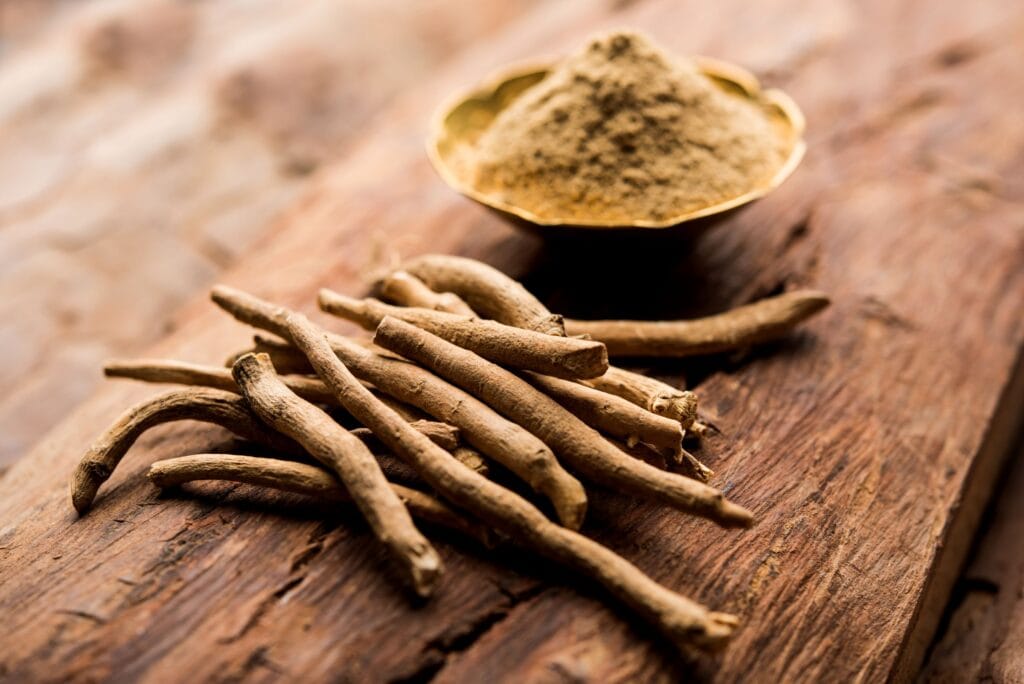
Siphonochilus aethiopicus is a small deciduous ginger from the summer-rainfall regions of southern Africa, and the traded part is the rhizome. It is one of the most heavily traded medicinal plants in South African markets. It is not culinary ginger, which is a different genus in the same family and neither tastes nor analyses the same.
Its conservation status is the first fact a buyer needs. The South African National Biodiversity Institute’s Red List assessment of 20 July 2022 lists the species as Critically Endangered, with harvesting of rhizomes for the medicinal trade named as the driver of decline. That assessment is public, and a sustainability screen returns it whether or not your supplier mentions it.
Cultivated and ethically sourced supply, with traceability as the proof
African ginger is a Critically Endangered species, so where a lot came from matters as much as what it costs. Material with no record behind it is an audit finding, a tender objection and a retailer question, and none of those improve with volume.
The words cultivated and ethically sourced need evidence behind them. For cultivated material, ask for the grower, the site, the planting records and the propagation origin of the stock, because material grown out from wild-lifted rhizomes can still be called cultivated. For material that is not cultivated, ask how collection was controlled and recorded. What you are buying is a documented chain from source to lift date.
The species is also listed on CITES Appendix II for the southern African populations. Together with the Red List assessment, that is why an undocumented lot is a commercial problem rather than a saving.
Settle the sourcing question before the first purchase order rather than after a retailer asks it. What you want on file is a lot number that resolves to a grower, a site and a season, which is the same thing a sustainability auditor will ask for.
The shelf is seasonal respiratory, and constrained supply makes it hard to scale
African ginger sits on the seasonal respiratory shelf, next to pelargonium, and that shelf has an awkward shape. Demand arrives in a compressed window, and a stockout in week three of a cold season is the year gone.
A constrained species and a seasonal peak sit badly together. Cultivated volume is set by planting decisions made years earlier, so contract early rather than topping up mid-season. If the plan depends on tripling an order at short notice, choose a different lead ingredient.
The formats are lozenges, syrups and oral liquids, and each asks something different
Lozenges, syrups and oral liquids are where this ingredient goes, and the choice sets the technical brief. A lozenge asks for a small, heat-tolerant dose and a flavour system that survives boiling. A syrup asks for solubility, colour compatibility and stability in a sugar matrix.
Oral liquids sit in between and are usually the fastest route to a first launch. They tolerate a wider inclusion range, need less heat than a boiled sweet, and let you test the sensory profile before committing to tooling.
The formulation problems are aroma, bitterness and heat
The rhizome carries a distinct aromatic and bitter character, and masking cost rises with inclusion rate. That is the formulation problem in one sentence, and it is why sensory work should run before stability work.
The chemistry explains the constraint. The characteristic constituents are sesquiterpenoids of the rhizome, with the furanoterpenoid siphonochilone most consistently named, and the volatile fraction has been described as containing 1,8-cineole. Terpenoids are heat sensitive, so drying temperature and any hot processing step change what reaches the consumer.
Two consequences follow. A lozenge cooked at high temperature will not smell like the extract you approved, so sign off sensory in the finished format, not in the powder. And extraction ratio drives dose volume in a syrup, so settle it before anyone sets a serving size.
Label rules differ by market and there is no claim to lean on
Start from the evidence, because it sets the ceiling everywhere. The published work is phytochemical, ethnobotanical and in vitro, and there is no clinical literature of consequence. The traditional record is history, not evidence of effect.
In South Africa a finished complementary medicine or health supplement is regulated by SAHPRA under the Medicines and Related Substances Act 101 of 1965. In the European Union, botanical health claims sit on the on-hold list under Regulation (EC) No 1924/2006, so no authorised claim is available in practice.
In the United States the material would be marketed as a dietary ingredient, which raises the question of pre-1994 marketing or a new dietary ingredient notification. Great Britain runs its own registers, so an EU position does not carry across.
Questions brand owners ask
Can I launch on material that is not cultivated?
Only with a documented, ethically sourced chain behind it. For a Critically Endangered species the first question in a tender is where the material came from, and an assurance without records does not answer it.
What proves that material is genuinely cultivated?
Propagation origin, a named grower and site, planting and lift records, and a lot number that resolves to a season and a site. An assurance is not the same as a file you can hand an auditor.
How do I know the extract is actually Siphonochilus aethiopicus?
Ask how identity is confirmed on the incoming rhizome rather than on the paperwork. This plant reaches parts of the market through informal channels, so a supplier should be able to name the identity method and hold retained reference material against the lot.
Is there clinical data behind this ingredient?
No. The literature is phytochemical, ethnobotanical and in vitro. If the positioning needs a trial, budget for one on the exact extract you buy, and do not borrow another company’s data on another species.
How far ahead do I need to order for a seasonal launch?
Further than for a commodity botanical. Cultivated volume is set by planting decisions made seasons earlier, so contract before the season, and treat a promise of unlimited short-notice supply as a reason to ask where it came from.
How Afriplex supplies African ginger
We supply African ginger as a rhizome extract released against a certificate of analysis, with extraction and finished dosage form manufacture in one organisation in Paarl under a SAHPRA section 22C(1)(b) licence. Our manufactured formats include lozenges, pastilles, oral liquids, capsules and sachets. We work from cultivated and ethically sourced material, and specifications and the sourcing record for each lot are available on request.
This article describes a botanical ingredient supplied to businesses for formulation. It is not directed at consumers, it does not describe a finished product, and nothing in it is a therapeutic claim or medical advice. Regulatory classification varies by country.